

Can you cook picanha on a spit using the barbecue’s infrared burner?
Yes, it’s absolutely possible, and excellent results come from using the barbecue’s rear infrared burner (the classic “back burner”) combined with the rotisserie.
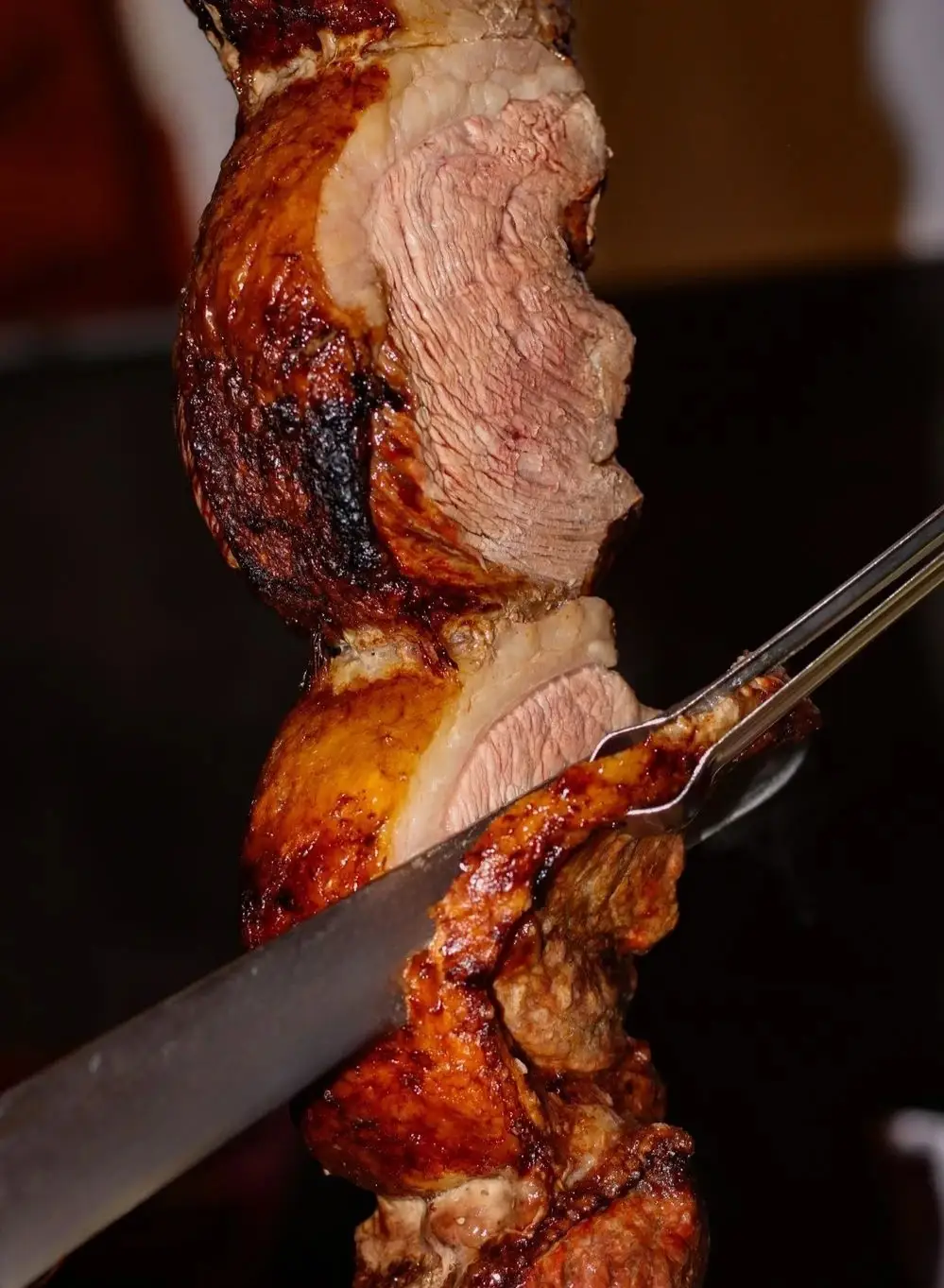
The direct, powerful radiant heat cooks the meat evenly as it turns, creating a perfect outer crust while keeping the inside juicy.
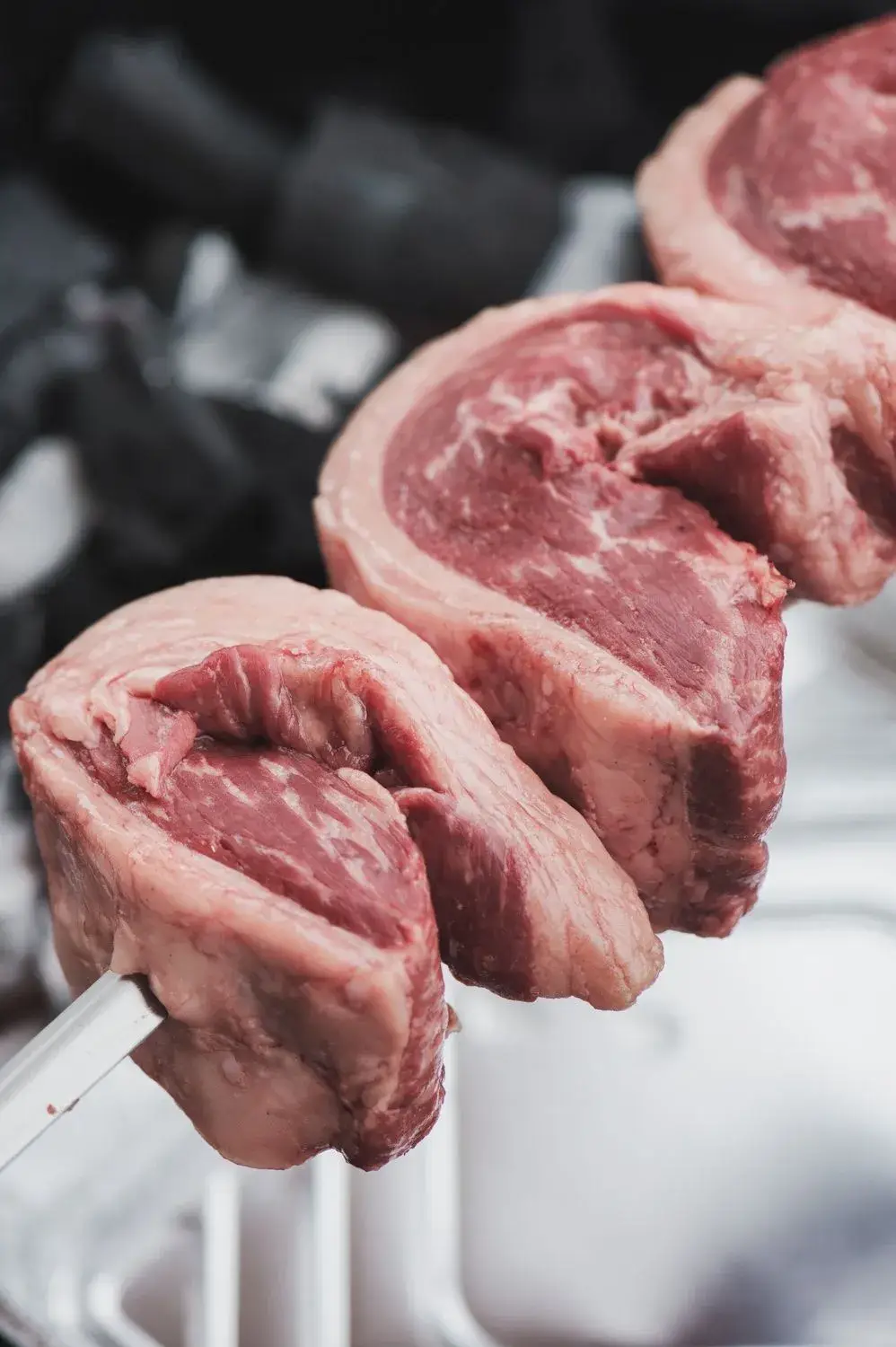
Picanha is one of the most prized cuts of beef in Brazilian churrasco tradition. Thanks to its characteristic fat cap, it develops a flavorful crust during cooking while keeping the inside juicy and tender.
Ingredients
- 1 picanha
- Coarse or flaked salt, to taste
- Black pepper, optional
- Water for the drip tray
Preparation
Pat the meat dry with paper towels and lightly score the fat in a diamond pattern, without cutting into the flesh. You can leave the picanha whole or cut it into slices about three fingers thick, folding them into a C-shape with the fat facing outward.
Season generously with coarse or flaked salt, ideally just before cooking. Secure the meat on the spit and make sure it’s well balanced.
Cooking on the barbecue
Turn on the rear infrared burner to medium power, adjusting the intensity based on your barbecue model and the distance between the meat and the heat source. As a reference, aim for a set temperature of around 120–150°C (250–300°F), checking your manufacturer’s guidelines.
Place a barbecue-safe aluminum tray under the spit, optionally with a little water, to catch dripping fat and reduce flare-ups. Keep the lid closed during cooking and let the meat rotate continuously.
The secret is not relying on cooking times, but checking the internal temperature with a probe thermometer. Weight, thickness, and burner power can significantly affect cooking time.
When the meat is close to your desired doneness, you can open the lid and turn the infrared burner up to maximum for a couple of minutes, keeping a close eye on the surface. This step promotes the Maillard reaction, responsible for the golden crust and the signature aromas of seared meat. Watch out for the fat, which can burn quickly and cause flare-ups.
Resting and serving
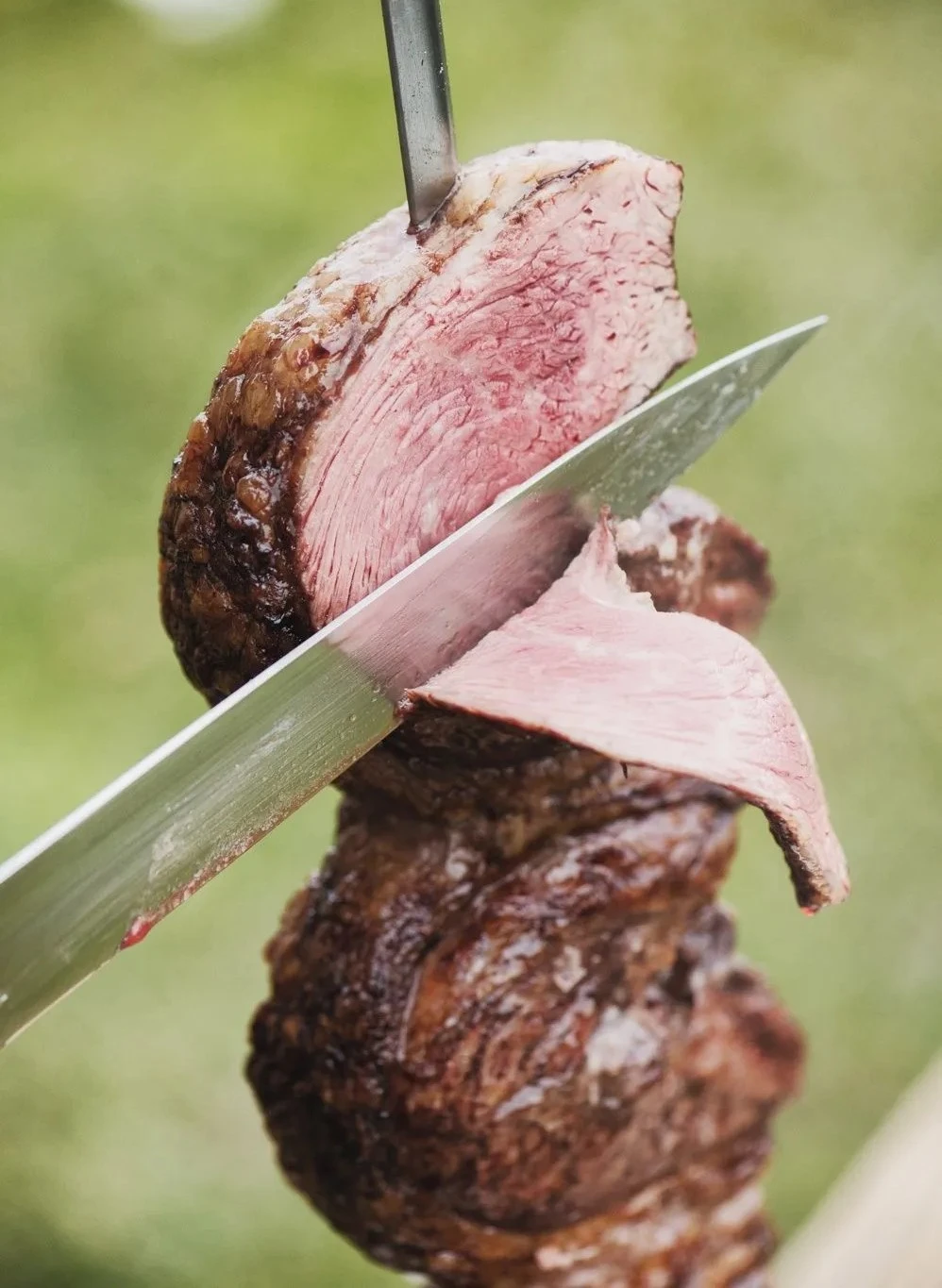
Once cooking is done, remove the picanha from the spit and let it rest for a few minutes. Slice it against the grain for more tender pieces and serve it hot, paired with baked potatoes, grilled vegetables, or chimichurri sauce.
💡 Tip from the Pianetagrill Pitmaster:
With the infrared burner, managing heat and monitoring internal temperature make all the difference. Adjust the final sear based on the color of the meat rather than sticking to set times, to get a picanha with a mouthwatering crust and a juicy interior.
Discover more dishes to cook on the barbecue here!